
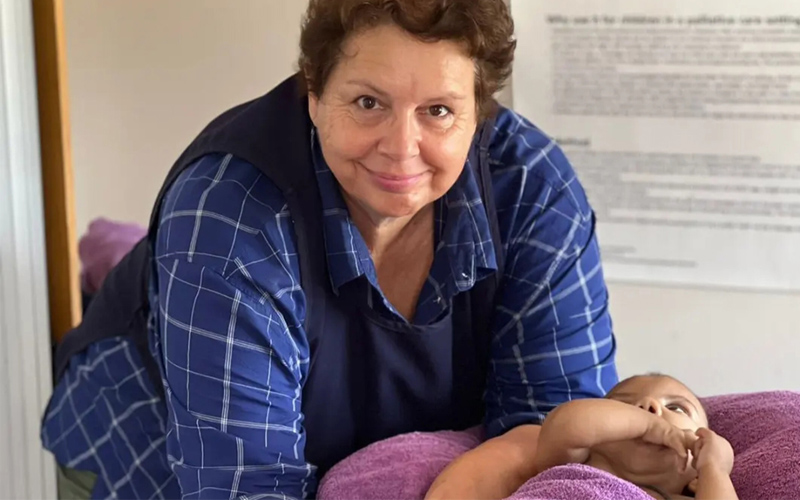
Fiona McLennan is a Therapeutic Aromatherapist and Therapeutic Reflexologist and valued member of the multidisciplinary team at Paedspal in Cape Town. She writes about the value of aromatherapy massage to patients with palliative care needs.
I am an aromatherapist working in the field of children’s palliative care. Someone once asked me, “Is there much call for this sort of thing?” I wish I had known then what I know now – that the healing nature of physical touch and hands-on care can be deeply valuable and meaningful for a sick child.
For almost 20 years I have offered aromatherapy massage to children in hospital and also to those attending the outpatient clinic at Paedspal, a children’s palliative care provider based in Cape Town. I feel deeply privileged to do this meaningful work.
“Gentle, compassionate touch is a bonus in the world of children’s palliative care.”
From my experience as an aromatherapist working with children, both in clinic and hospital settings, there is no doubt in my mind that aromatherapy massage significantly improves the quality of life for a sick child and for their caregivers. I also believe that compassionate touch can be a sacred and deeply meaningful experience and an expression of spiritual care.
How does aromatherapy work?
Aromatherapy works in several ways. Essential oils used are absorbed through the skin, while their fragrance molecules are rapidly taken up into the brain through the olfactory nerve to the limbic system – the primitive part of the brain linked to mood and emotion. This means that aromatherapy can have a rapid effect on the young patient’s mood. The aromatics from the oil can also have a positive effect on the caregiver sitting next to the bed.
The therapist also uses gentle touch, which feels vastly different from the “medical touch” children often experience in hospital, where procedures can be uncomfortable or painful.
What are the advantages of aromatherapy?
An aromatherapy session offers a child a sense of autonomy in a situation where they may feel powerless. They are given the opportunity to agree to a massage, and they have the choice to stop it if they do not enjoy it. However, I have yet to have a child do that – most children enjoy and welcome it.
Aromatherapy massage can:
- calm a child
- help distract them from pain
- soothe worries they may have about being alone
- help them sleep, and
- help with spasticity and contractures.
It is a safe and non-invasive modality familiar to most people which can make it both reassuring and comforting.
“Our aim is not to cure or ‘fix’ patients, but to bring relief in a gentle, fragrant way.”
Offering aromatherapy to non-verbal children
When massaging a non-verbal child, I watch carefully for cues and seek guidance from the caregiver. They are usually able to interpret sounds or expressions made by the child in ways that a therapist cannot. I also observe the child’s face and their body movements for cues. For example, are those playful kicking feet, or is the child saying “no” in the only way they can?
Use a qualified therapist
It is important to work with a qualified aromatherapist who is trained in the correct oils and their dilutions. A trained therapist will also know when not to massage and will also recognise concerning signs that should then be reported to the medical team.
In South Africa, aromatherapists, reflexologists and massage therapists fall under the Allied Health Professions Council Registered therapists can be found on the lists on their website.
I believe that palliative care centres and paediatric wards would benefit from offering this modality to their patients.
About the author
Fiona McLennan is a practising Therapeutic Aromatherapist and Therapeutic Reflexologist, with a Post-Graduate Diploma in Palliative Medicine (UCT 2015). She works at Paedspal Paediatric Palliative Care in Cape Town, working with young patients and their caregivers. Apart from spending time with family and friends, long slow walks with her ageing dog is one of her greatest pleasures. Should you wish to contact Fiona to learn more about her work, email fiona.mclennan@paedspal.org.za